
Graffiti removal can be a challenging yet necessary task, especially when it appears on surfaces in public spaces or on private property. Over time, graffiti can damage the appearance of buildings, walls, and structures, and if not addressed promptly, it can become more difficult to remove. The process of removing unwanted spray paint or marks from various surfaces requires a careful approach to avoid damaging the underlying material. Whether you're dealing with spray paint on a brick wall, a metal surface, or a glass window, there are several methods to consider, each tailored to the specific type of surface and graffiti you’re facing.
Identifying the Type of Graffiti and Surface
Before beginning the removal process, it's important to assess the surface and determine the type of graffiti. Different materials—such as wood, concrete, metal, or glass—require different techniques. Additionally, the type of paint or marker used in the graffiti will impact how easily it can be removed. Common types of graffiti include spray paint, marker, or ink, and each may require a distinct cleaning solution.
For example, when learning remove graffiti, spray paint is often the most challenging to tackle, as it adheres tightly to surfaces, particularly porous materials like brick or concrete. On the other hand, when figuring out how to remove graffiti from marker stains, the process is generally easier, but still requires careful treatment to avoid smearing or causing further staining.
Initial Preparation
Before starting, it's crucial to gather the appropriate materials and protective gear. Depending on the method you choose, you may need gloves, goggles, and a mask to protect yourself from fumes or chemicals. Make sure the area is well-ventilated, especially when working with strong chemicals or solvents.
You should also test the cleaning method on a small, inconspicuous part of the surface to ensure that it won't cause damage or discoloration. Some materials, like painted surfaces or delicate stone, may react poorly to certain cleaners, so always err on the side of caution.
Techniques for Graffiti Removal
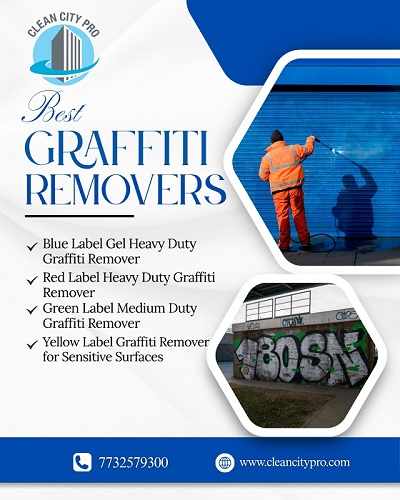
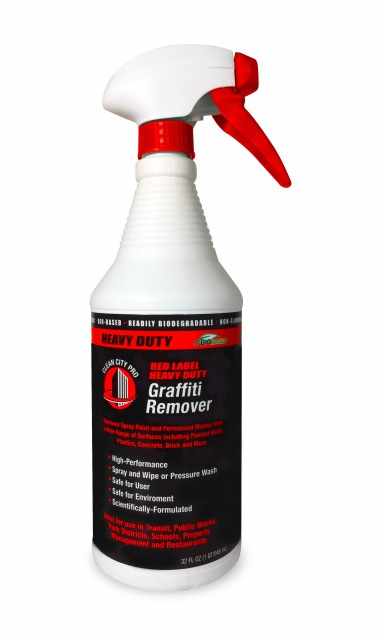
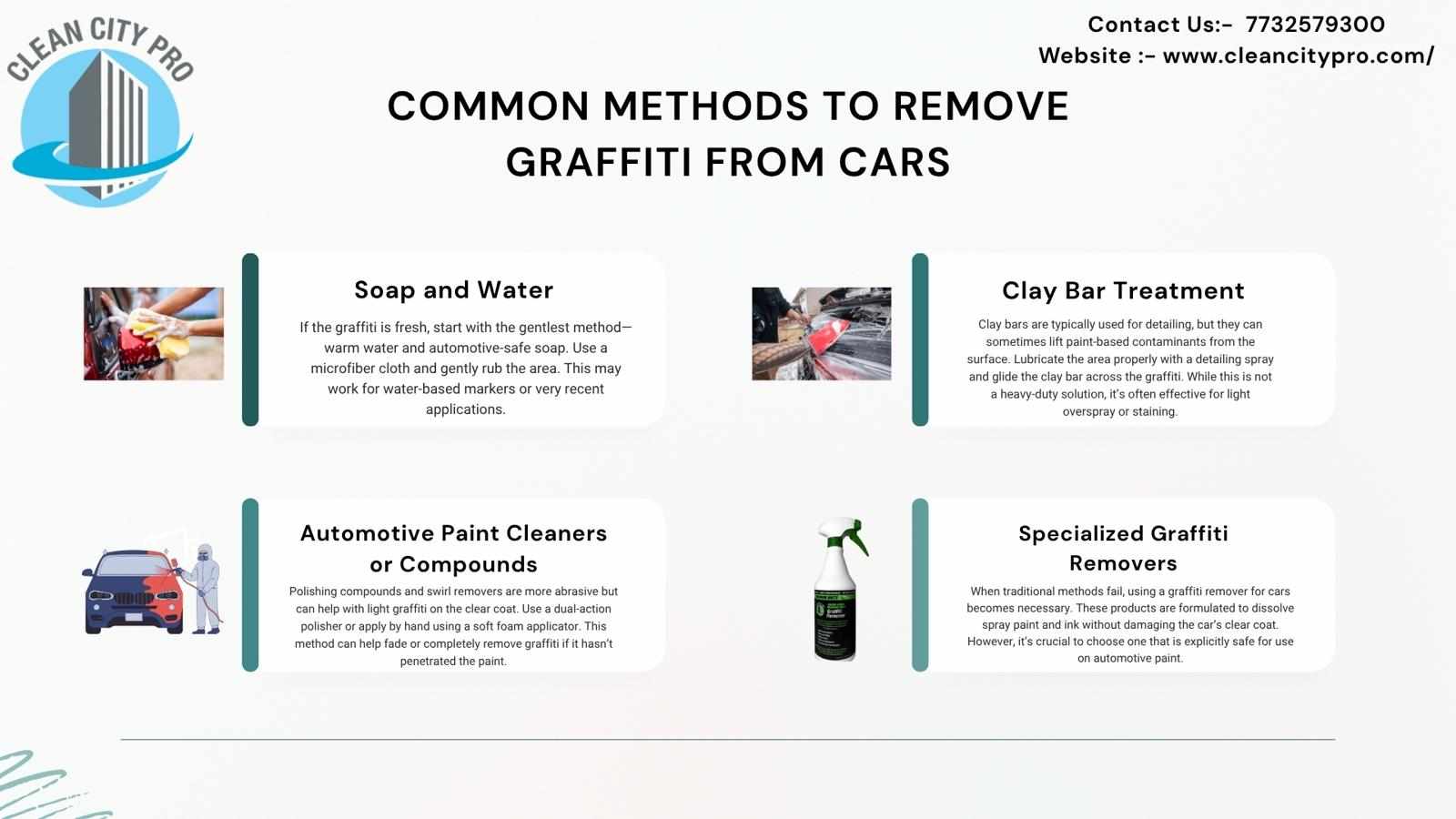
Using Chemical Cleaners: One of the most effective ways to remove graffiti is by using specialized graffiti removers, which are available in many home improvement or hardware stores. These cleaners are designed to break down the chemicals in spray paint and other inks, making the removal process easier.
Apply the remover directly to the graffiti, allowing it to sit for a few minutes to loosen the paint. After the solution has had time to work, use a scrub brush or a cloth to gently wipe away the paint. Be sure to follow the manufacturer's instructions to ensure safety and optimal results.
For more stubborn graffiti, you may need to repeat the process or use a stronger chemical remover. However, it's important to note that these products can be harsh, so they may not be suitable for all surfaces, especially those that are easily scratched or porous.
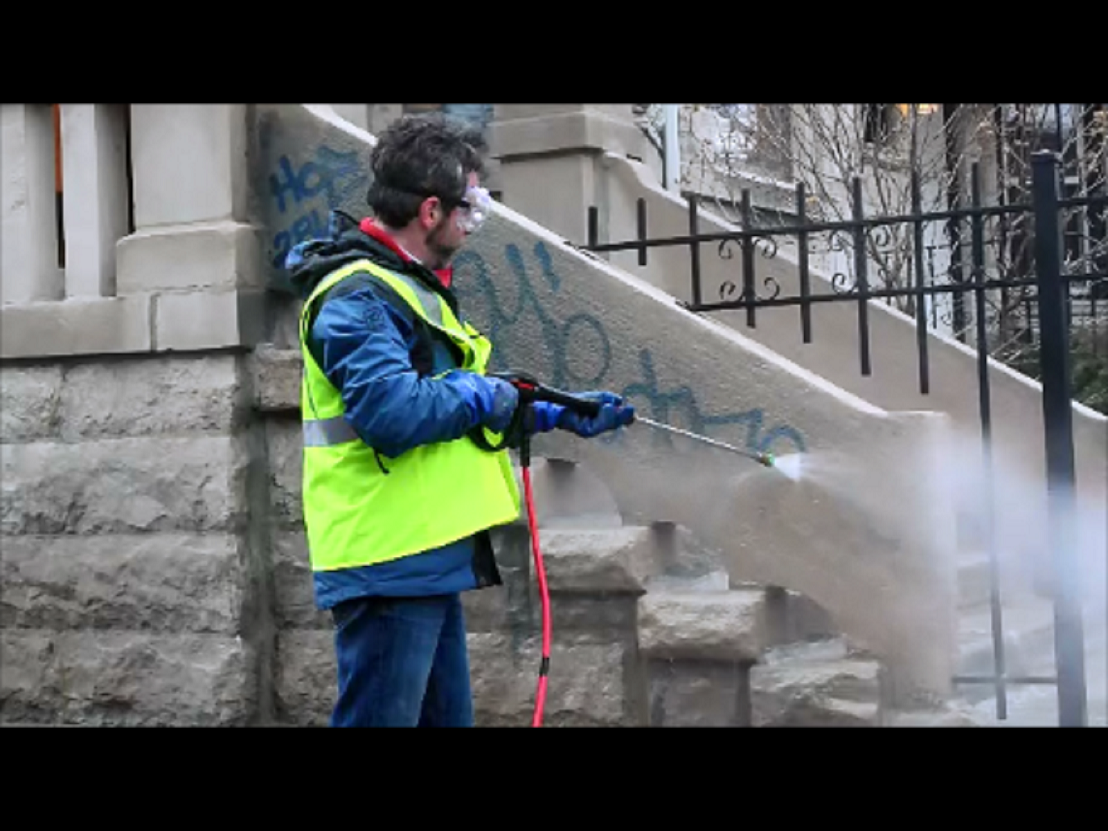
Pressure Washing: For large areas or tougher graffiti, pressure washing can be an efficient solution. This technique uses high-pressure water to blast away paint, dirt, and other debris from the surface. It's particularly effective on hard surfaces like concrete, brick, or metal.
To use a pressure washer, start by adjusting the pressure setting to ensure that the surface isn't damaged. Begin washing from a distance, gradually getting closer as the graffiti begins to lift. If the graffiti proves stubborn, you can use a cleaning solution specifically designed for use with pressure washers to help break down the paint.
Scraping and Sanding: When other methods fail, scraping or sanding may be necessary to remove the graffiti. This is particularly useful on surfaces like wood, metal, or stone. Use a plastic scraper or a wire brush to gently scrape away the paint, being careful not to damage the underlying surface.
For more persistent graffiti on hard surfaces like concrete or stone, sanding can be effective. Use a sandpaper block or power sander to gently buff the surface, removing the paint without causing significant damage. However, sanding may leave visible marks or rough patches, so it's best to use this method only when other approaches haven’t been successful.
Natural or Household Solutions: If you prefer a more eco-friendly or budget-friendly approach, there are several household items that can be used to remove graffiti. Products like vinegar, baking soda, and rubbing alcohol have been found effective for breaking down certain types of graffiti, especially marker or ink stains.
For example, vinegar can be applied to the graffiti with a cloth, and after allowing it to sit for several minutes, you can scrub away the paint with a soft-bristled brush. Similarly, rubbing alcohol can be used to wipe away lighter stains or spray paint marks.
Baking soda is also useful for scrubbing away graffiti without damaging the surface. Combine it with water to create a paste, and apply it to the affected area. Gently scrub with a cloth or brush to lift the paint.
Steam Cleaning: Steam cleaning is another safe and effective method, particularly for removing graffiti from delicate surfaces or porous materials. Using a steam cleaner, you can apply hot steam to the graffiti, which will loosen the paint and allow you to wipe it away with a cloth.
This method is non-invasive and environmentally friendly, making it an ideal choice for those looking to avoid chemicals. However, it can take longer than other techniques, and may not be as effective on heavily ingrained paint.
Graffiti-Resistant Coatings: Once the graffiti has been successfully removed, consider applying a graffiti-resistant coating to prevent future incidents. These coatings create a protective barrier on the surface, making it more difficult for paint or markers to adhere in the future. Additionally, they make the removal process much easier if graffiti does appear again.
Graffiti-resistant coatings come in a variety of options, including clear sprays or paints, and can be used on many surfaces such as concrete, brick, and metal. Be sure to choose a product that is suitable for the material you're treating, and follow the application instructions carefully for the best results.
Prevention and Maintenance
Preventing graffiti from appearing in the first place is the most effective long-term solution. In high-risk areas, consider using deterrents such as security cameras, proper lighting, or even anti-graffiti surveillance systems. Additionally, regular cleaning and maintenance of buildings and public spaces can help minimize the chances of graffiti taking hold.
Prompt action is crucial when it comes to graffiti removal. The longer the paint sits on a surface, the more difficult it becomes to remove. Taking swift action to clean graffiti as soon as it appears can significantly reduce the amount of effort and cost required to remove it.
Removing graffiti is a process that requires patience, the right tools, and a thoughtful approach to avoid damaging the underlying surface. By identifying the type of graffiti and choosing the appropriate removal technique, you can effectively restore the appearance of the affected area. Whether you opt for chemical cleaners, pressure washing, or more natural solutions, addressing the issue quickly and carefully can help maintain the aesthetics and value of your property.




Write a comment ...