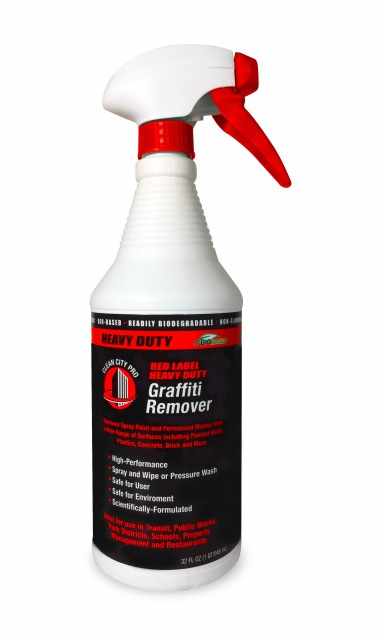
Graffiti on public and private signage can quickly diminish the visual appeal of an area and affect the readability of important information. Whether it appears on storefront signs, road signs, or informational boards, unwanted markings can create a negative impression. Using the right Graffiti Remover for Signs is essential to restore surfaces effectively while preserving the integrity of the material beneath.
Outdoor signs are made from a variety of materials such as metal, plastic, glass, and coated wood. Each of these surfaces requires a specific approach to cleaning. Harsh chemicals may remove graffiti but can also damage the sign’s finish or fade its original design. This makes it important to select a remover that is both effective and safe for the specific material.
Graffiti typically consists of spray paint, markers, or ink, which can bond quickly to surfaces. The longer it remains untreated, the harder it becomes to remove. Acting promptly increases the chances of complete removal without leaving stains or ghosting effects. A reliable Graffiti Remover for Signs works by breaking down the paint or ink, allowing it to be wiped or rinsed away with minimal effort.

Understanding the type of graffiti is the first step in choosing the right cleaning method. Spray paint often requires stronger solvents, while marker ink may respond to milder solutions. In some cases, multiple applications may be needed to achieve the desired result, especially on porous surfaces.
Below are key considerations when selecting a graffiti remover:
Compatibility with the sign material
Ability to remove different types of paint and ink
Non-damaging formulation for printed or coated surfaces
Ease of application and cleanup
Environmental safety and low toxicity
Effectiveness without excessive scrubbing
Preparation plays a crucial role in successful graffiti removal. Before applying any cleaning solution, it is important to test a small, inconspicuous area of the sign. This helps ensure that the remover will not cause discoloration or surface damage. Wearing protective gloves and working in a well-ventilated area is also recommended for safety.
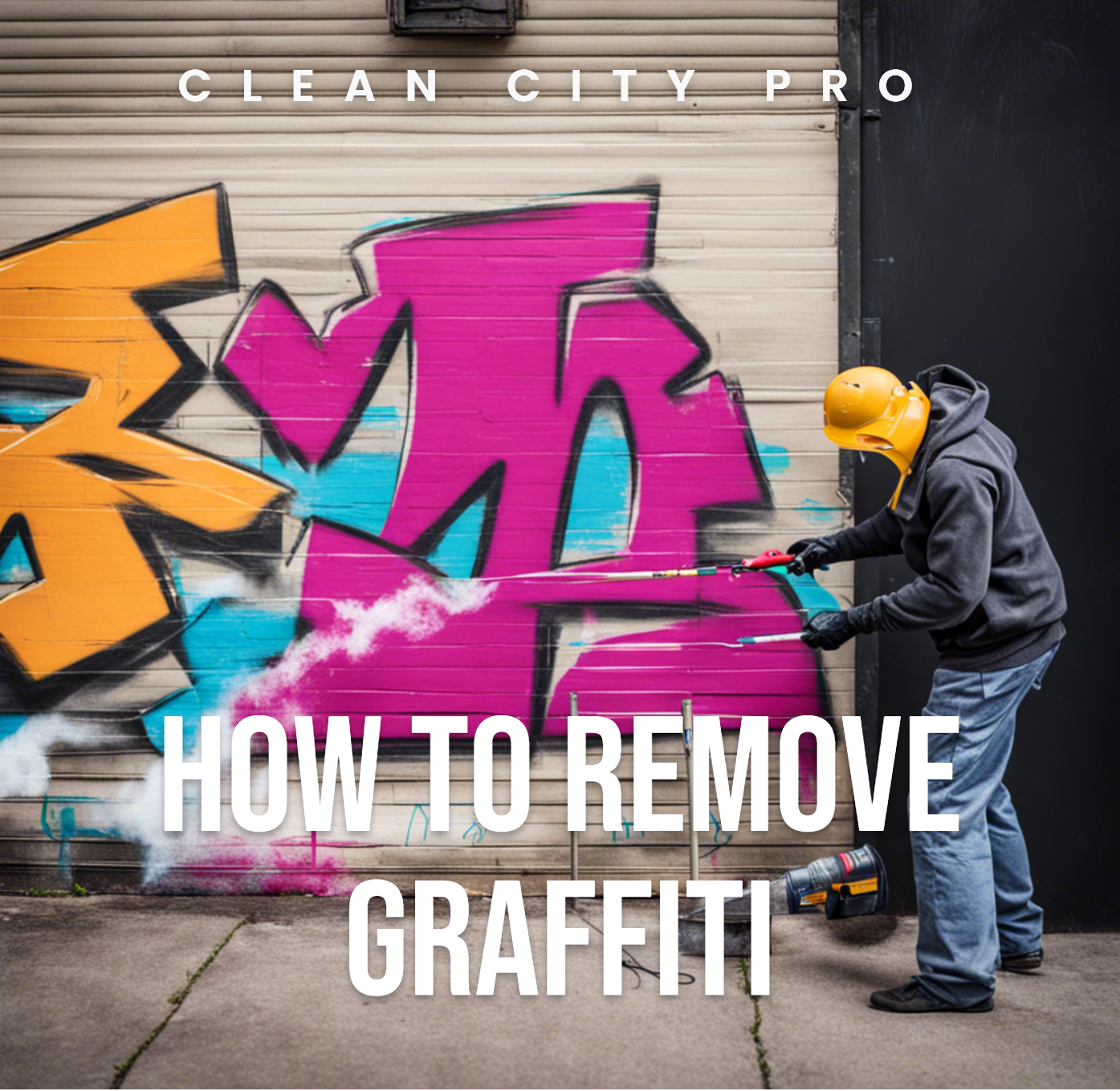
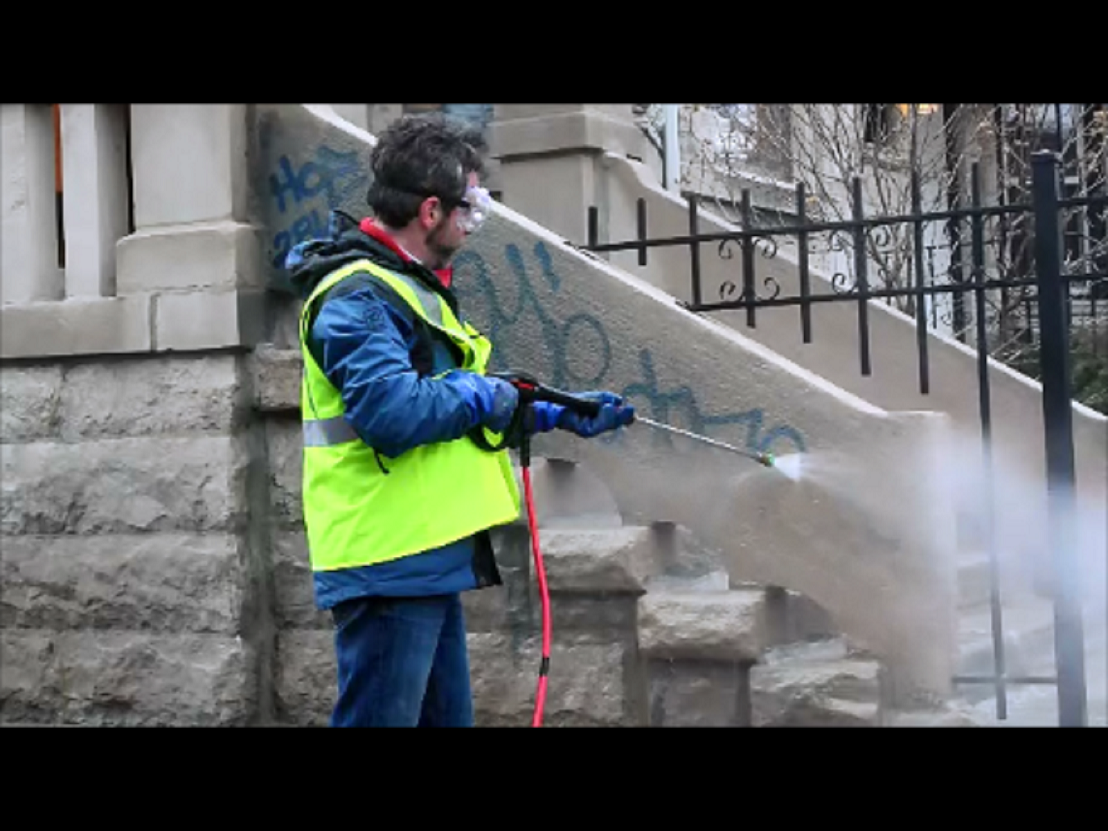
The cleaning process typically involves applying the remover to the affected area, allowing it to sit for a specified time, and then gently wiping or rinsing it off. Soft cloths or non-abrasive brushes are preferred to avoid scratching the surface. Repeating the process may be necessary for stubborn stains.
Here are common steps involved in graffiti removal:
Identify the type of surface and graffiti material
Test the remover on a small hidden area
Apply the solution evenly across the graffiti
Allow sufficient dwell time for the product to work
Gently wipe or rinse away the residue
Repeat if necessary for complete removal
Preventive measures can also help reduce the impact of graffiti. Applying protective coatings to signs creates a barrier that makes future cleaning easier. Anti-graffiti coatings allow paint to be removed more quickly without affecting the original surface. These coatings are especially useful for signs located in high-traffic or vulnerable areas.
Environmental factors can influence the effectiveness of graffiti removal. Temperature, humidity, and exposure to sunlight can affect how graffiti adheres to surfaces. Warmer conditions may help soften paint, making it easier to remove, while colder temperatures can make the process more challenging. Adjusting cleaning methods based on environmental conditions can improve results.

Maintenance is another important aspect of keeping signage clean and readable. Regular inspections help identify graffiti early, allowing for quicker removal. Prompt action prevents the paint from setting deeply into the surface, reducing the effort required for cleaning.
Below are additional tips for maintaining clean signage:
Inspect signs regularly for early detection
Clean graffiti as soon as possible
Use protective coatings for added durability
Avoid abrasive tools that can damage surfaces
Store cleaning supplies for quick access
Follow proper safety guidelines during cleaning
Different surfaces require tailored approaches. For example, metal signs can usually withstand stronger cleaning agents, while plastic or vinyl signs may need gentler solutions. Glass surfaces are often easier to clean but may still require care to avoid streaks or residue. Understanding these differences ensures effective and safe cleaning.
In some cases, graffiti may leave behind faint stains even after removal. This is known as ghosting and can occur when paint penetrates the surface. Using specialized cleaning techniques or repeating the process can help minimize this effect. Preventive coatings can also reduce the likelihood of ghosting in the future.
Using a high-quality Graffiti Remover for Signs not only restores the appearance of signage but also helps maintain a professional and welcoming environment. Clean signs improve visibility, ensure clear communication, and contribute to a positive impression for visitors and customers.
Safety should always be a priority when handling cleaning products. Reading instructions carefully and using appropriate protective gear can prevent accidents. Proper disposal of cleaning materials is also important to minimize environmental impact.
Graffiti removal is not just about aesthetics; it also plays a role in community upkeep and safety. Clean and well-maintained signs contribute to a sense of order and care in public and private spaces. This can discourage further vandalism and promote a more positive environment.
Choosing the right approach ensures that graffiti is removed effectively without causing additional damage. By combining the right tools, techniques, and preventive measures, it is possible to keep signage in excellent condition over time.
Ultimately, maintaining clean signs requires a balance of prompt action, proper cleaning methods, and ongoing care. With the right strategy, signage can remain clear, functional, and visually appealing despite exposure to graffiti.






Write a comment ...