
Graffiti can appear unexpectedly on public buildings, private properties, transportation assets, and community spaces. While some forms of street art are celebrated, unwanted graffiti often leads to costly repairs, safety concerns, and negative perceptions. Selecting the right removal solution is not a simple decision, as surfaces, paint types, and environmental factors vary widely. A thoughtful approach ensures effective cleaning while preserving the integrity of the underlying material.
This article serves as a practical Graffiti Remover Selection Guide to help property managers, maintenance teams, and municipalities understand how to evaluate and choose appropriate graffiti removal solutions. By considering surface compatibility, environmental impact, safety, and efficiency, users can achieve better results with fewer long-term risks.
Understanding the Nature of Graffiti
Graffiti is not a single, uniform substance. It includes a wide range of materials such as spray paint, markers, inks, crayons, and industrial coatings. Each behaves differently once applied to a surface. Some paints penetrate porous materials deeply, while others sit on the surface and can be removed more easily.
Equally important is the age of the graffiti. Fresh markings are generally easier to remove, while older graffiti may have cured, bonded, or weathered into the surface. Exposure to sunlight, rain, and heat can further complicate removal, making product selection more critical.
Why Proper Selection Matters
Choosing an inappropriate graffiti remover can lead to unintended damage. Harsh chemicals may discolor surfaces, strip protective coatings, or weaken structural materials. In some cases, improper removal can spread pigments further into porous substrates, making the stain more permanent.
A well-informed Graffiti Remover Selection Guide emphasizes balancing effectiveness with surface protection. This approach reduces repeat cleaning, minimizes repair costs, and supports long-term property maintenance strategies.
Common Surface Types Affected by Graffiti
Different surfaces respond uniquely to removal methods. Identifying the surface is the first step before selecting any remover.
Typical surfaces include:
Concrete and masonry
Brick and stone
Painted walls
Metal surfaces
Glass and plastics
Wood and composite materials
Each of these materials has varying levels of porosity, chemical resistance, and sensitivity, which directly influence the choice of remover.
Key Factors to Consider When Selecting a Graffiti Remover
A reliable selection process involves evaluating multiple criteria rather than relying on a one-size-fits-all solution.
Important considerations include:
Type of graffiti material (spray paint, marker, ink)
Surface composition and porosity
Environmental exposure (indoor vs. outdoor)
Safety requirements for users
Local environmental regulations
Ease of application and cleanup
By weighing these factors together, users can narrow down options that align with their specific needs.
Chemical-Based Graffiti Removers
Chemical removers are widely used due to their effectiveness on stubborn graffiti. They work by breaking down the chemical bonds of paints and inks, allowing them to be wiped or rinsed away.
Advantages of chemical removers:
Effective on heavy or layered graffiti
Suitable for a wide range of paints
Often fast-acting
Potential drawbacks include:
Risk of surface damage if misused
Strong odors or fumes
Need for protective equipment
Disposal considerations
Understanding the formulation and intended surface use is essential before applying chemical-based solutions.
Biodegradable and Eco-Friendly Options
Environmental awareness has increased demand for graffiti removers that are less harmful to ecosystems. These products often use plant-based solvents or low-toxicity compounds.
Benefits of eco-friendly removers:
Reduced environmental impact
Safer for operators and nearby occupants
Suitable for sensitive areas like schools and parks
Limitations may include:
Longer dwell times
Reduced effectiveness on older graffiti
Higher cost per application
Eco-conscious solutions are best chosen when environmental safety outweighs speed and intensity.
Mechanical and Non-Chemical Methods
In some cases, graffiti removal relies on mechanical action rather than chemical reactions. These methods can be used alone or in combination with mild removers.
Common mechanical approaches:
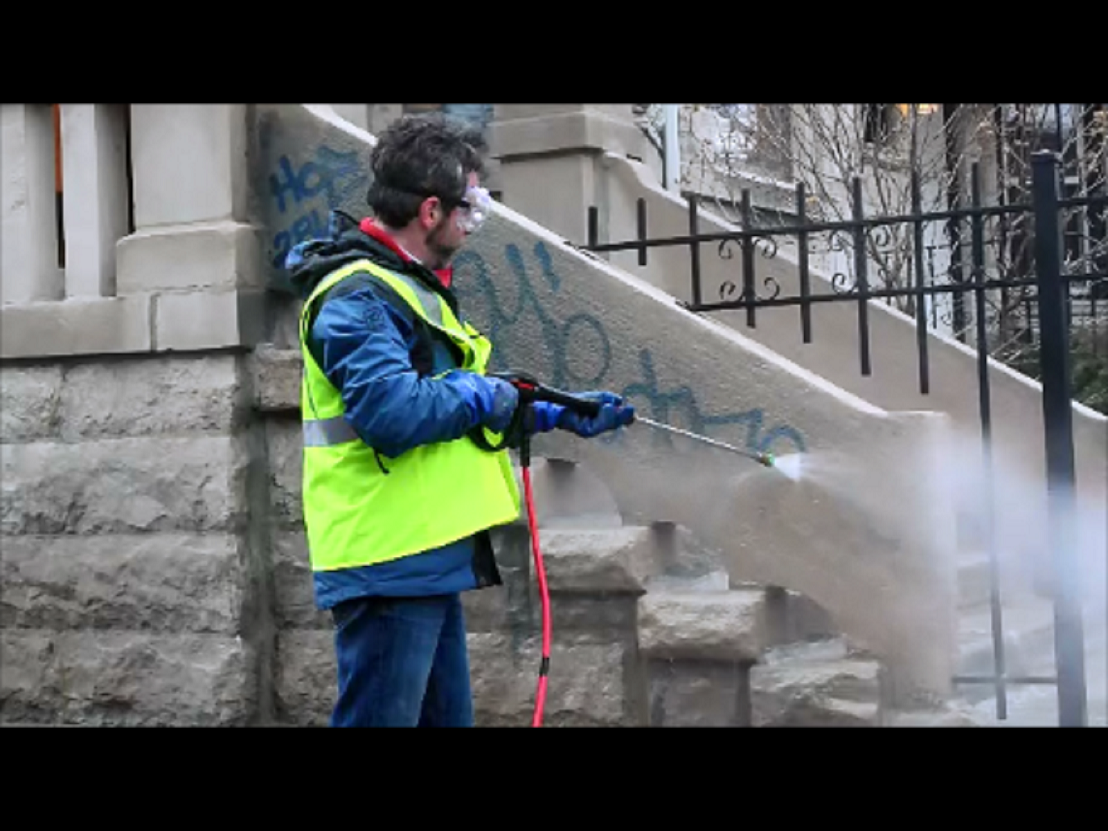
Pressure washing
Abrasive pads or brushes
Media blasting
Steam cleaning
While effective on durable surfaces, mechanical methods must be used carefully to avoid etching, scratching, or erosion.
Safety and Compliance Considerations
Safety should never be overlooked during graffiti removal. Many removers contain active ingredients that require proper handling, ventilation, and protective equipment.
Safety factors to evaluate:
Skin and eye irritation risks
Inhalation hazards
Flammability
Required personal protective equipment
Compliance with local safety standards
Choosing a remover that aligns with safety policies protects both workers and the surrounding environment.

Matching Removers to Surface Types
Selecting the right remover depends heavily on surface compatibility. Using a mismatched product can result in discoloration or permanent damage.
General surface recommendations:
Porous surfaces: Gel or paste removers with longer dwell times
Painted surfaces: Mild formulations to avoid stripping base paint
Metal surfaces: Non-corrosive solutions
Glass and plastics: Solvent-safe, residue-free products
Wood: Low-moisture or specialty removers
Testing on a small, inconspicuous area is always advised before full application.
Cost Efficiency and Long-Term Value
Initial product cost should not be the only factor in decision-making. A cheaper remover that requires multiple applications may end up costing more over time.
Evaluate cost efficiency by considering:
Coverage area per unit
Number of applications required
Labor time involved
Need for surface repairs afterward
A balanced Graffiti Remover Selection Guide focuses on overall value rather than upfront price alone.
Application Techniques That Influence Results
Even the best graffiti remover can underperform if applied incorrectly. Proper technique ensures maximum effectiveness while minimizing risks.
Best practice tips include:
Following manufacturer instructions precisely
Allowing adequate dwell time
Using appropriate tools for agitation
Rinsing or neutralizing thoroughly
Avoiding excessive scrubbing on delicate surfaces
Consistent application methods lead to more predictable and satisfactory outcomes.
Preventive Measures After Removal
Once graffiti is removed, preventive strategies can reduce future incidents or simplify cleanup.
Common preventive measures:
Applying anti-graffiti coatings
Using protective sealants
Improving lighting and visibility
Conducting regular inspections
Prompt removal to deter repeat tagging
Prevention complements removal efforts and extends the lifespan of cleaned surfaces.
When Professional Assessment Is Needed
In complex situations, such as historic structures or large-scale vandalism, professional assessment may be necessary. Specialists can evaluate surface conditions and recommend appropriate removal strategies without compromising structural or aesthetic integrity.
Situations that often require expert input include:
Heritage or landmark buildings
Delicate stone or aged masonry
Large, multi-surface graffiti areas
Repeated vandalism in high-traffic zones
Making an Informed Choice
Selecting the right graffiti remover is a process that combines knowledge, testing, and careful evaluation. By understanding surface characteristics, graffiti types, safety considerations, and environmental impact, users can make informed decisions that deliver effective and responsible results.
This Graffiti Remover highlights the importance of thoughtful planning rather than reactive cleaning. With the right approach, graffiti removal can be efficient, safe, and sustainable.






Write a comment ...