
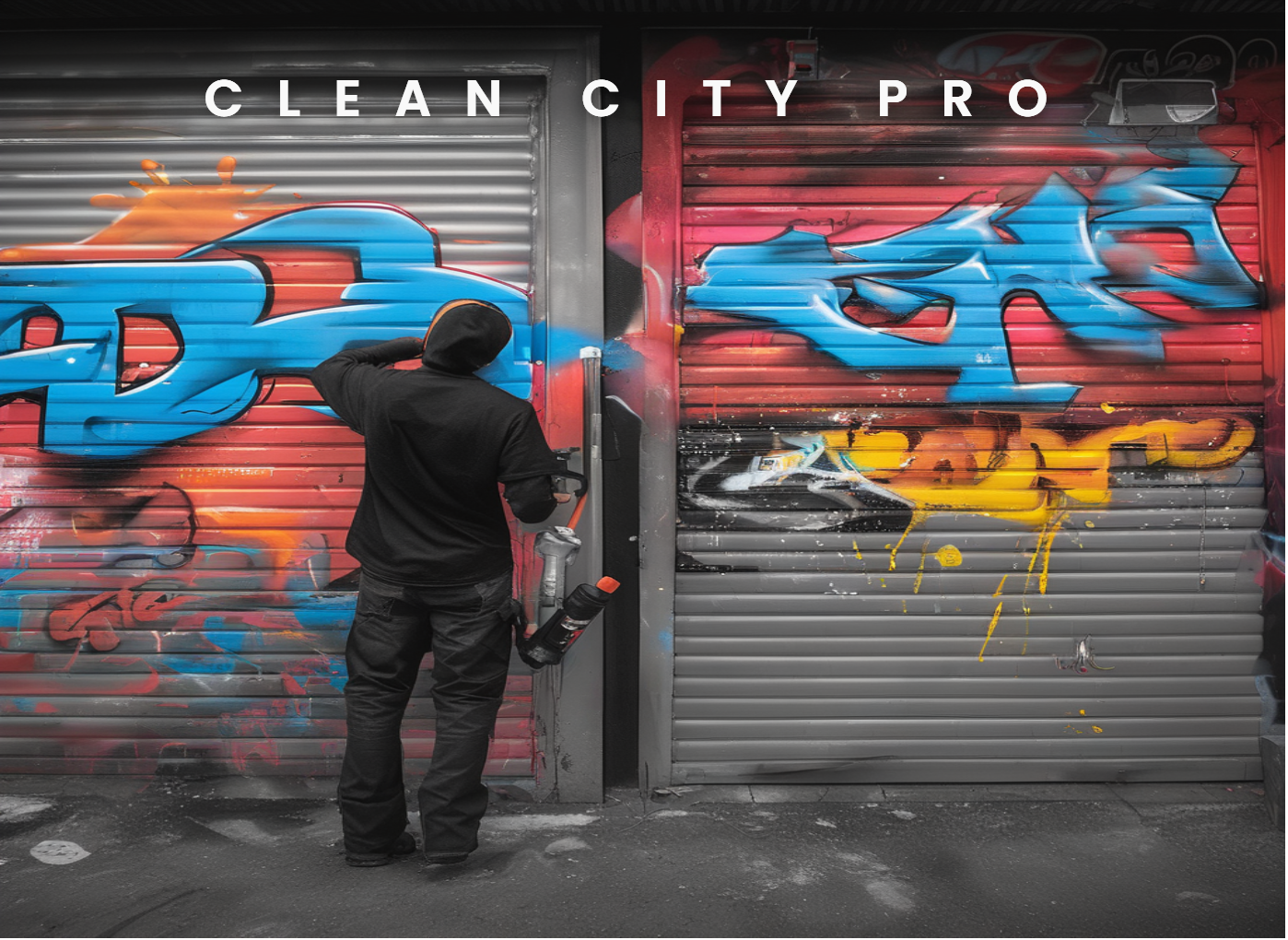
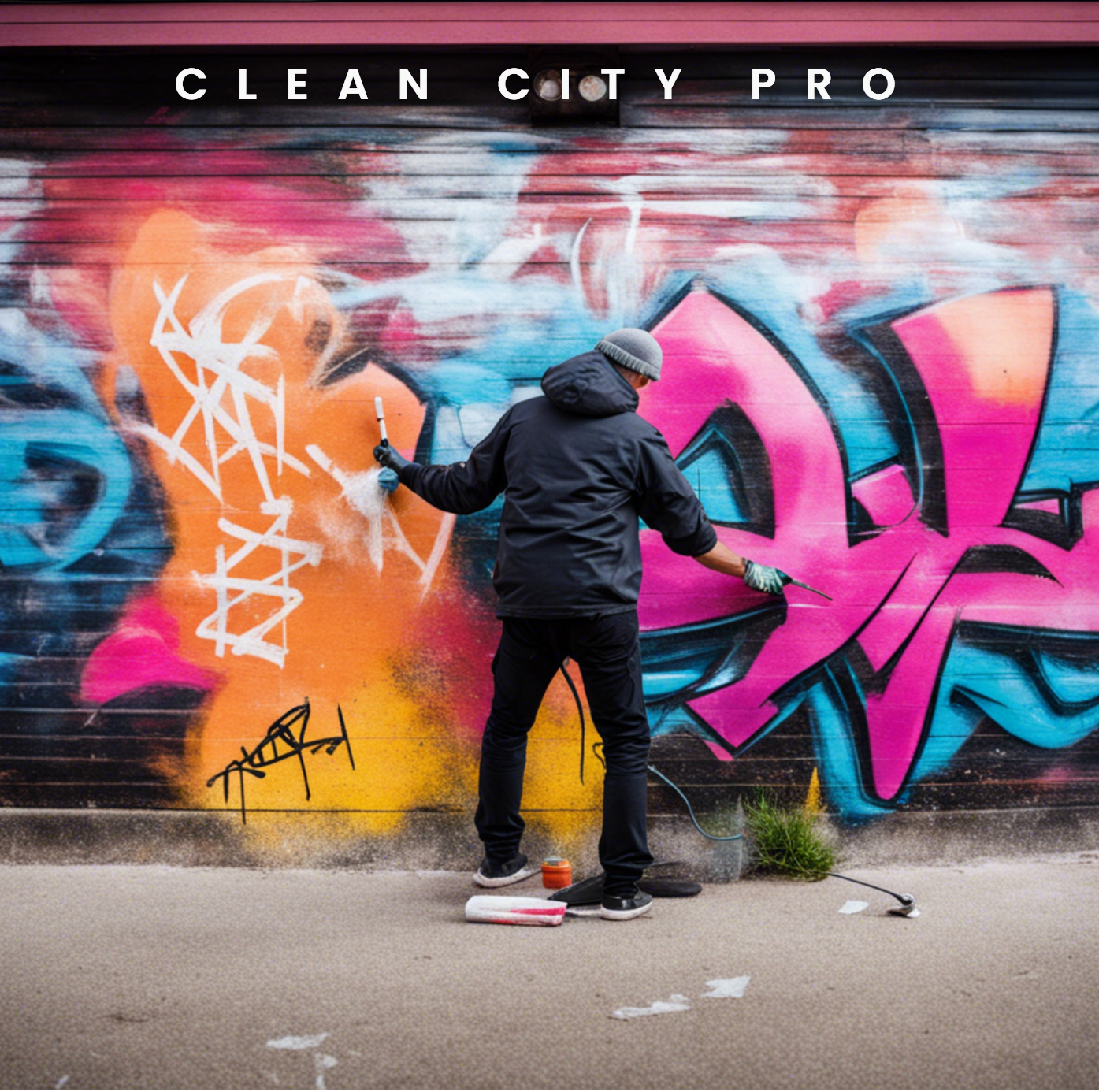
Graffiti can be viewed in many different ways. Some people see it as a creative form of self-expression, while others consider it an unwanted mark on buildings, fences, sidewalks, public areas, and commercial properties. Regardless of perspective, unauthorized graffiti often creates challenges for homeowners, business owners, municipalities, and property managers. Quick and effective cleaning methods become important to maintain a neat appearance and preserve property value.
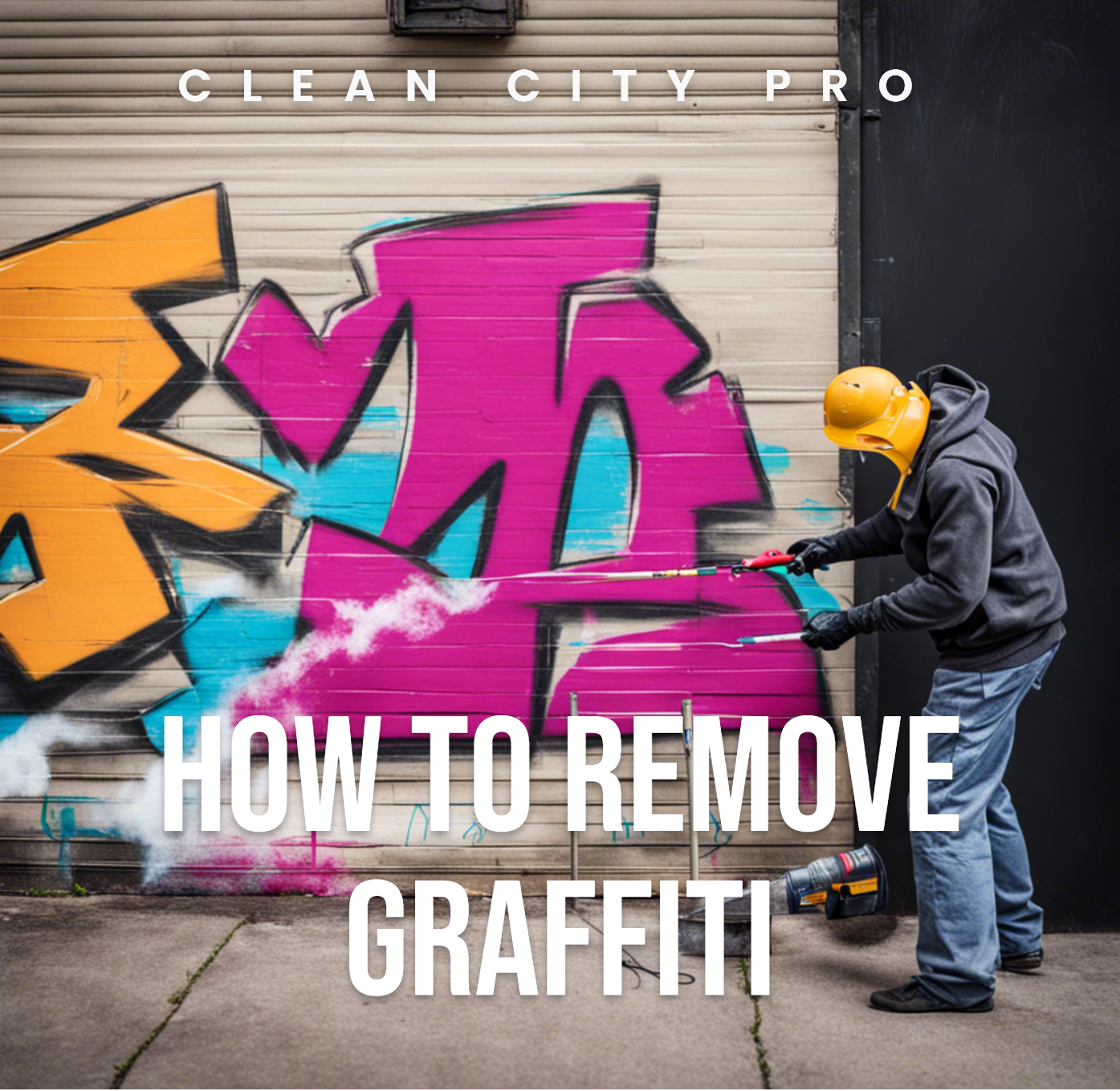
Removing graffiti is not always simple. Paint, marker ink, and spray coatings can deeply penetrate surfaces depending on the material involved. Brick, concrete, metal, glass, and wood all react differently to cleaning solutions. Choosing the right cleaning method can reduce damage and help restore the original appearance of the affected area.
One important factor in graffiti removal is timing. Fresh graffiti is usually easier to clean compared to markings that have remained for weeks or months. Weather exposure can cause paint to harden and settle into porous surfaces, making removal more difficult. Immediate attention often improves results and lowers the effort required.
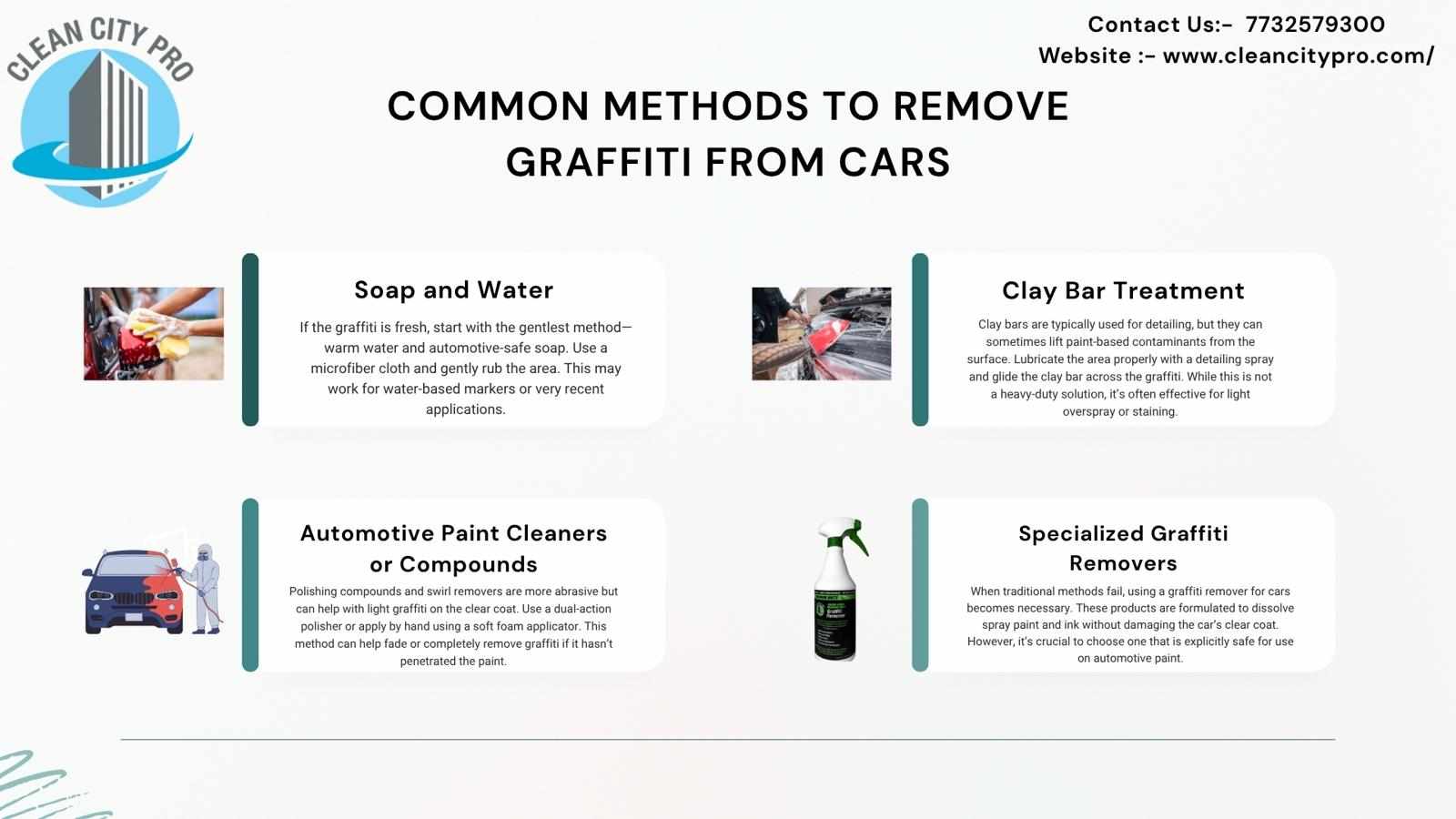
Many property owners begin with household cleaning techniques before exploring stronger alternatives. Warm water, soap, and scrubbing tools can sometimes work on fresh markings, especially on smooth surfaces. However, stubborn paint often requires specialized solutions designed to break down pigments without harming the original material underneath.
When exploring options, many people research Best Graffiti Removers to understand which products and techniques are commonly used for different surfaces. The effectiveness of a remover depends on several factors, including the type of paint, the age of the graffiti, and the material being cleaned.
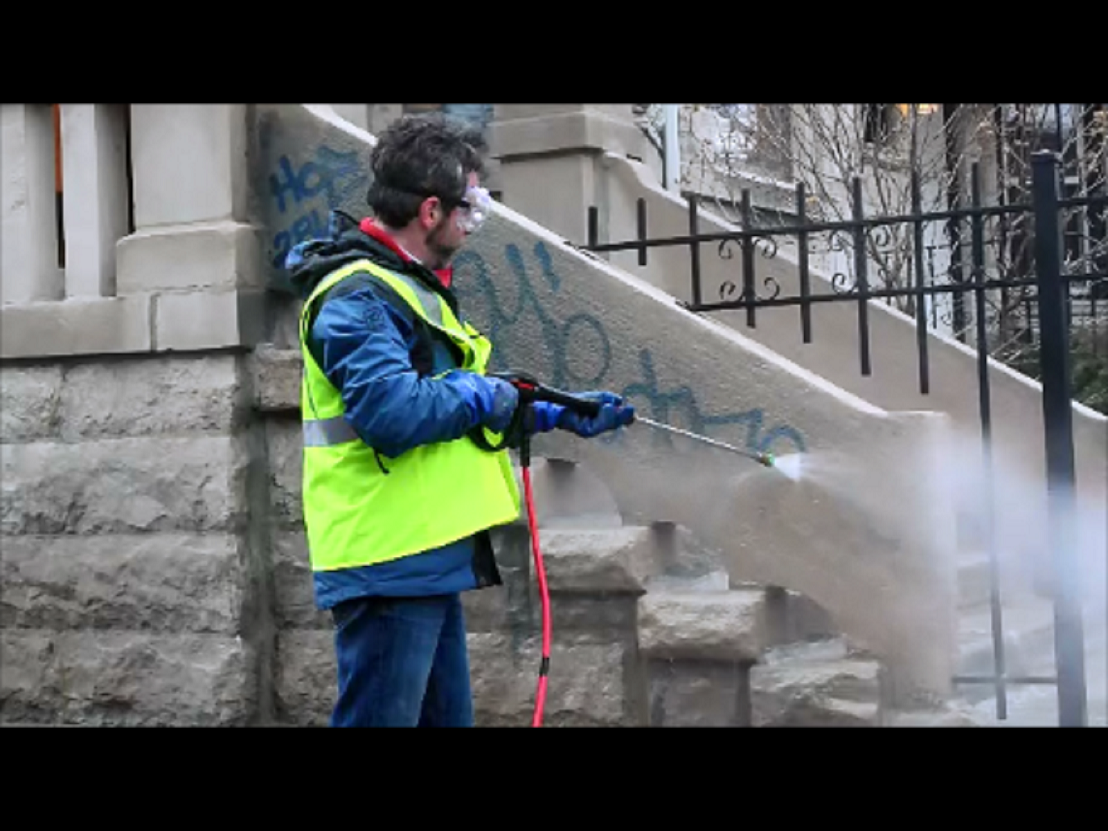
Pressure washing is one frequently used technique for graffiti removal. High-pressure water systems can loosen paint and remove debris from certain hard surfaces like concrete walls and sidewalks. However, excessive pressure may damage delicate materials or spread paint stains further if not handled carefully. Using proper settings and testing small sections first can help avoid unwanted surface damage.
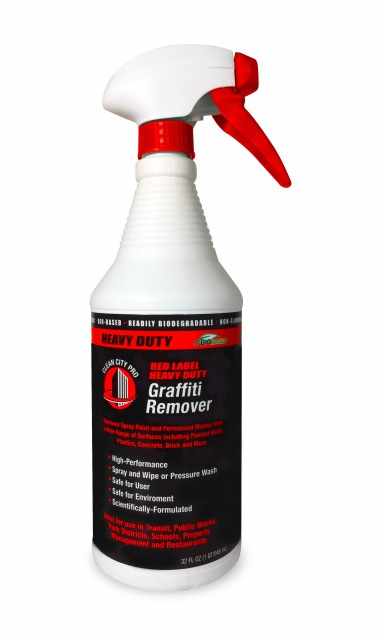
Chemical removers are another widely used solution. These products are often designed to dissolve paint so it can be wiped or rinsed away. Some formulas are biodegradable, while others are stronger industrial-grade options intended for difficult stains. Reading labels and following instructions carefully is essential for safety and proper use. Gloves, protective eyewear, and adequate ventilation are often recommended during cleaning.
Porous materials such as brick and stone can be more challenging to restore because paint may sink into tiny openings. In these cases, repeated cleaning sessions may be necessary. Some property owners choose to use absorbent cleaning compounds or specialized gels that stay on surfaces longer, allowing paint to break down gradually.
Smooth surfaces like metal panels, glass windows, and painted doors often respond better to removal efforts. Graffiti on these materials can sometimes be cleaned without leaving noticeable marks if treated correctly. Testing a small hidden area before applying any cleaner broadly is often a practical approach.
Environmental concerns also play a role in graffiti removal. Some traditional cleaning chemicals may contain strong solvents that can affect nearby plants, water systems, or air quality. Eco-friendly alternatives have become increasingly popular because they aim to balance effectiveness with environmental responsibility. Choosing products with biodegradable ingredients may help reduce environmental impact while still delivering useful cleaning performance.
Preventive measures can also reduce future graffiti problems. Protective coatings, often called anti-graffiti coatings, are commonly applied to walls and surfaces prone to repeated vandalism. These coatings create a barrier that makes future paint easier to clean. Some are sacrificial coatings that are removed during cleaning, while others are permanent and designed for repeated maintenance.
Lighting, security cameras, landscaping, and quick cleanup strategies are additional methods sometimes used to discourage repeated graffiti incidents. Studies and local experiences often suggest that rapidly removing graffiti can reduce repeat occurrences because visible markings may attract additional vandalism.
Budget is another important consideration for property owners. Small graffiti marks may be manageable through do-it-yourself methods, but large-scale vandalism can require professional assistance. Factors such as labor, equipment, cleaning products, and restoration costs influence the total expense. Comparing options carefully helps determine the most suitable approach for a specific situation.
For historic buildings or sensitive surfaces, extra caution is necessary. Aggressive cleaning methods can permanently alter original materials or finishes. Consulting professionals or researching preservation-safe cleaning techniques may help prevent unintended damage. Preservation experts often recommend gentle cleaning solutions combined with minimal abrasion to protect structural integrity.
The rise of online resources has made it easier for people to compare removal methods and understand cleaning techniques. Tutorials, maintenance forums, and expert recommendations provide valuable insights into practical strategies. Still, every surface and situation is different, meaning no single method guarantees identical results across all cases.
Weather conditions can also influence success rates. Heat, sunlight, rain, and freezing temperatures affect how paints bond to surfaces and how removers perform. For example, extremely hot weather may cause chemicals to evaporate too quickly, while cold temperatures may slow cleaning effectiveness. Understanding environmental conditions before beginning removal work can improve outcomes.
As interest in surface restoration grows, discussions around Best Graffiti Removers continue to expand. Many people compare ingredients, environmental safety, application methods, and overall effectiveness before deciding on a solution. The best approach often depends on matching the cleaning technique to the specific surface and paint type involved.
Education and awareness also play a role in prevention. Community cleanup programs, neighborhood improvement efforts, and local maintenance initiatives can encourage cleaner surroundings. In some areas, public art programs provide legal spaces for artistic expression, helping reduce unauthorized graffiti on private and commercial properties.
Maintaining clean spaces often contributes to stronger visual appeal and a better overall impression of neighborhoods, businesses, and public facilities. Whether the issue involves a small painted mark or widespread vandalism, understanding available cleaning options makes it easier to choose practical solutions.
Property care requires patience, planning, and proper methods. From pressure washing to eco-friendly solvents and protective coatings, there are many approaches available to support effective maintenance. Learning about materials, testing solutions carefully, and acting quickly after graffiti appears can all contribute to better results over time.
When considering long-term maintenance, researching Best Graffiti Removers may help property owners better understand the available solutions suited for different cleaning needs. Careful selection and responsible usage remain important parts of preserving the appearance and condition of surfaces.
#GraffitiRemoval, #PropertyMaintenance, #SurfaceCleaning ,#Urban Maintenance, #CleaningTips
Clean City Pro


Write a comment ...