
Graffiti can be a persistent problem in both urban and suburban areas. While it may be viewed as an art form by some, for property owners and city maintenance teams, it often represents defacement and financial burden. The challenge lies in finding efficient, safe, and environmentally responsible ways to eliminate graffiti without damaging the underlying surface. In this article, we will explore what makes the Best Graffiti Removal Chemicals, their types, usage techniques, and important considerations to ensure the process is both effective and sustainable.
Understanding Graffiti and Its Impact
Graffiti is often applied using aerosol paints, permanent markers, or other pigmented materials. Once it dries, the paint adheres tightly to porous and non-porous surfaces, making it difficult to remove without specialized solutions. The financial cost of graffiti cleanup in cities runs into millions annually, but beyond that, it also affects the community’s sense of safety, property values, and aesthetics.
Having the right removal chemical can significantly cut down time, cost, and environmental harm. However, not all graffiti removers are created equal—some may contain harsh solvents that damage surfaces or release toxic fumes. That’s why identifying the Best Graffiti Removal Chemicals is crucial for professional results.
Key Characteristics of Effective Graffiti Removal Chemicals
Surface Compatibility
The best chemicals are designed to work on a variety of surfaces—brick, concrete, glass, metal, and painted walls—without causing discoloration or corrosion. A good remover must lift graffiti while keeping the substrate intact.Non-Toxic Formulation
Traditional graffiti removers often relied on harsh solvents like methylene chloride or toluene. Modern eco-friendly formulations use biodegradable ingredients that are safe for users, pets, and plants.Fast-Acting and Efficient
Efficiency is key. The ideal remover should break down graffiti pigments quickly, reducing the need for excessive scrubbing or multiple applications. This saves time and labor.Environmentally Responsible
Sustainable products have minimal environmental footprint. They are free of volatile organic compounds (VOCs) and meet safety standards for wastewater disposal.Residue-Free Finish
The best removers leave surfaces clean and residue-free, preventing dirt buildup or uneven patches after cleaning.
Common Types of Graffiti Removal Chemicals
Solvent-Based Removers
These are effective on tough graffiti made with oil-based paints and markers. They dissolve paint bonds and allow easy wiping or rinsing. However, care must be taken as some solvents can damage plastics or painted surfaces.Alkaline-Based Cleaners
These removers use a mild alkaline solution that breaks down graffiti without aggressive corrosion. Ideal for concrete, masonry, and porous surfaces.Biodegradable Formulas
Environmentally friendly and water-based, these products are gaining popularity. They effectively remove graffiti from most surfaces and can be safely rinsed away without harming the environment.Gel-Based Removers
Gel formulations are perfect for vertical surfaces because they cling to the area, allowing the chemical to dwell longer and work more efficiently.Specialty Removers for Sensitive Surfaces
For glass, polished metals, or painted surfaces, specialized removers prevent scratches or fading while effectively lifting graffiti.
Application Techniques for Best Results
The removal process should always start with testing a small hidden area to ensure compatibility. Here’s a general procedure to follow:
Preparation
Wear gloves, masks, and protective eyewear. Ensure the area is well-ventilated. Remove loose dirt and debris from the surface.Apply the Remover
Use a brush, roller, or sprayer to apply the graffiti remover evenly across the marked area.Allow Dwell Time
Let the chemical sit for a few minutes as per the manufacturer’s instructions. The dwell time helps break down paint molecules.Agitate Gently
Use a nylon brush or cloth to lightly scrub the area. Avoid metal brushes that may damage the surface.Rinse and Repeat
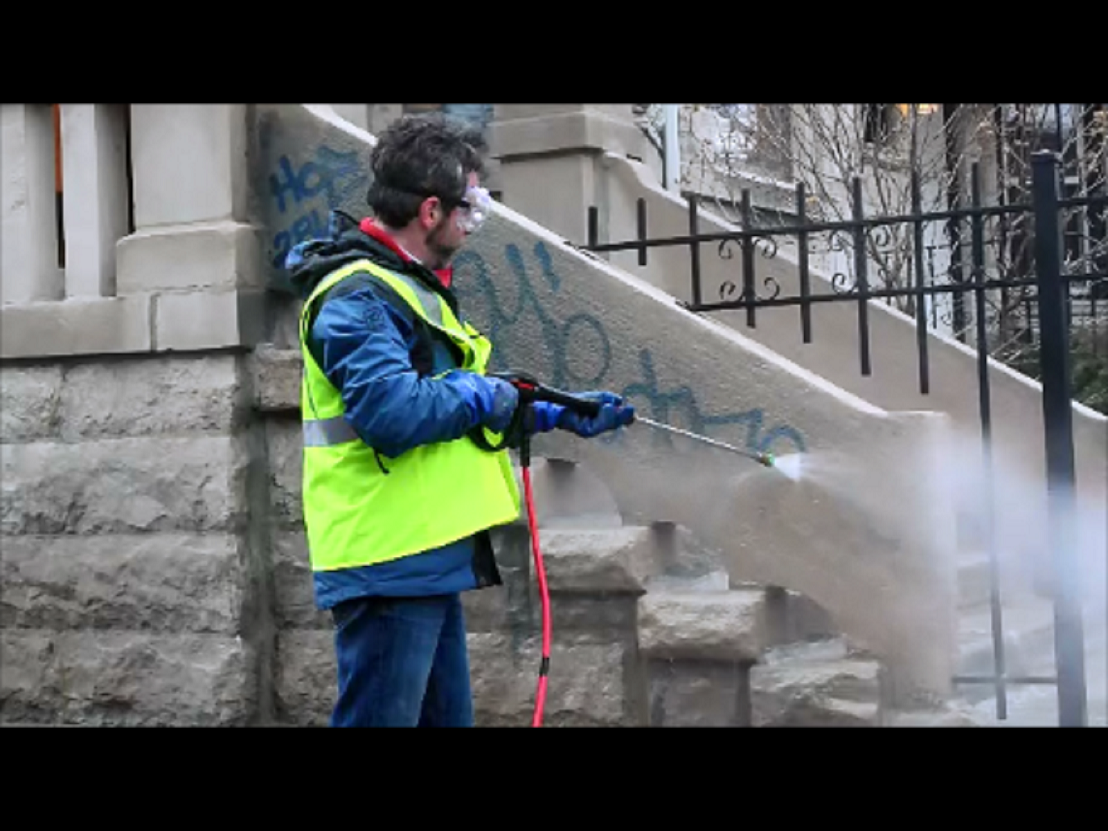
Rinse thoroughly with water or a pressure washer. Repeat the process if traces remain, ensuring no residue is left behind.

Safety and Environmental Precautions
While graffiti removal may seem straightforward, handling chemicals requires responsibility. Here are some important precautions:
Always use personal protective equipment (PPE).
Avoid mixing chemicals, as it may create harmful reactions.
Dispose of wastewater responsibly, preventing contamination of storm drains or soil.
Follow local environmental regulations for chemical use and disposal.
Opt for biodegradable or low-VOC products whenever possible.
How to Choose the Right Graffiti Removal Product
Selecting the right product depends on multiple factors, such as the surface type, the age of the graffiti, and the medium used to create it.
Surface Material
Concrete or brick may require stronger alkaline removers, while glass and metal surfaces work best with solvent-based or gel formulas.Type of Paint or Marker Used
Spray paints generally need solvent or gel-based products, whereas marker inks might need specialized ink removers.Environmental Conditions
For outdoor use, select removers that are safe for plants and do not release toxic fumes.Ease of Use
Choose ready-to-use solutions that do not require dilution, especially for large-scale or frequent cleaning jobs.Efficiency and Dwell Time
Products with shorter dwell times are ideal for quick maintenance, while gel-based removers are suitable for stubborn, layered graffiti.
Preventive Measures Against Graffiti
Eliminating graffiti is one part of the solution; prevention is the other. Here are a few strategies to discourage repeat offenses:
Apply Anti-Graffiti Coatings: These protective layers make future graffiti easier to remove.
Use Surveillance Cameras: Deterrence through monitoring can prevent vandalism.
Improve Lighting: Well-lit areas are less attractive to graffiti artists.
Community Engagement: Educate communities about the effects of vandalism and promote urban art initiatives in designated areas.
The Shift Toward Eco-Friendly Graffiti Removal
Environmental awareness is shaping the cleaning industry, and graffiti removal is no exception. Many cities and organizations now prefer eco-safe products to align with sustainability goals. These products offer:
Lower toxicity levels
Safe disposal options
Minimal air pollution
Reduced skin and respiratory irritation
The shift not only benefits the environment but also ensures safety for workers and the community.
The Importance of Professional Maintenance
While DIY graffiti removal is possible, professionals ensure better results and minimize damage risks. They have access to specialized equipment and surface-appropriate chemicals. Regular maintenance programs also prevent long-term surface deterioration and preserve aesthetics.
Graffiti removal can be challenging, but with the right knowledge, tools, and products, it becomes a manageable task. Choosing the Graffiti Removal involves balancing effectiveness, surface safety, and environmental responsibility. Whether you’re cleaning public spaces, commercial buildings, or residential walls, using high-quality, eco-friendly removers ensures cleaner results and a more sustainable approach to urban maintenance.
Clean, graffiti-free environments reflect care, safety, and community pride. The right product can make all the difference between a faded surface and a spotless finish.



Write a comment ...