
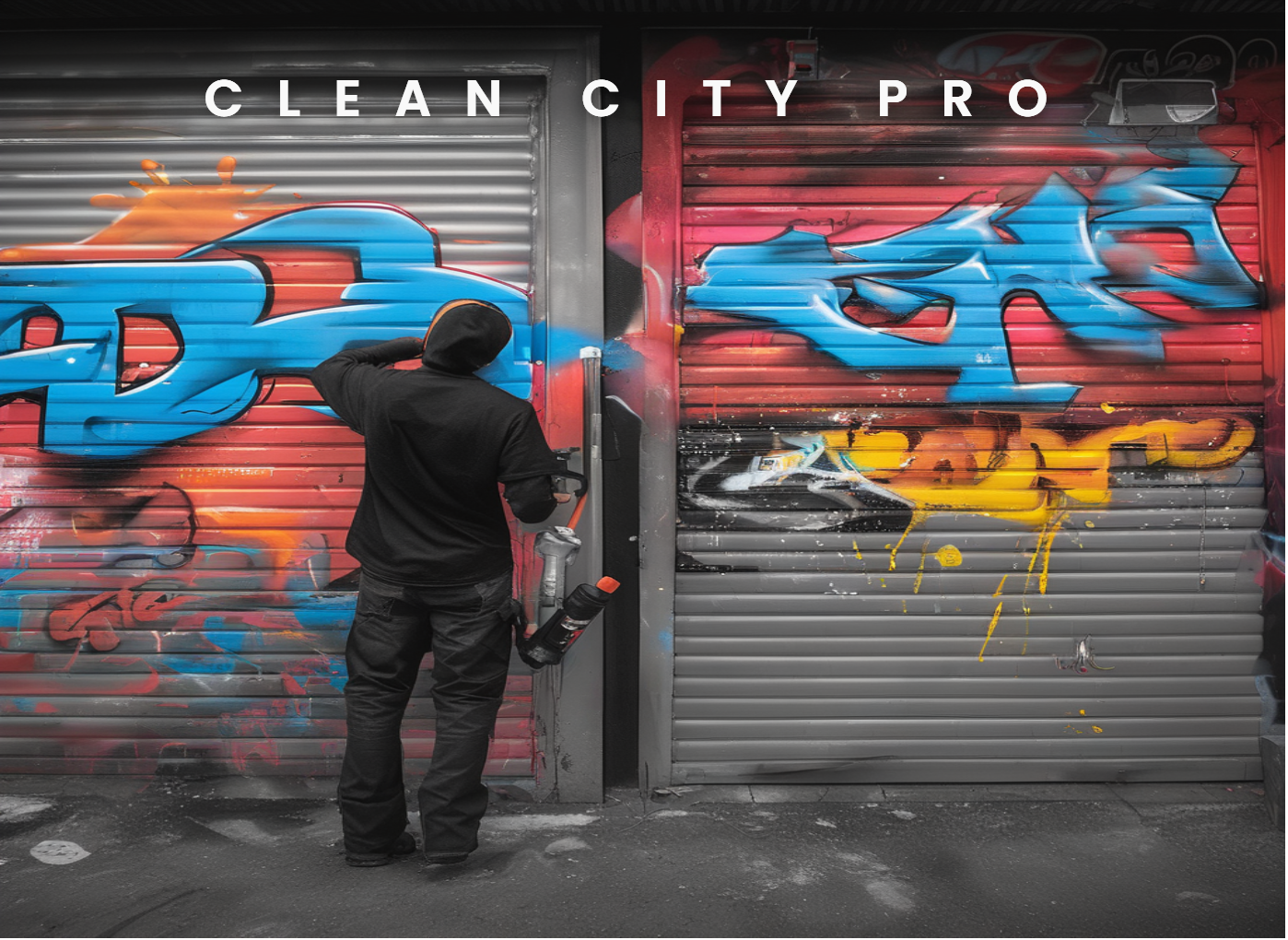
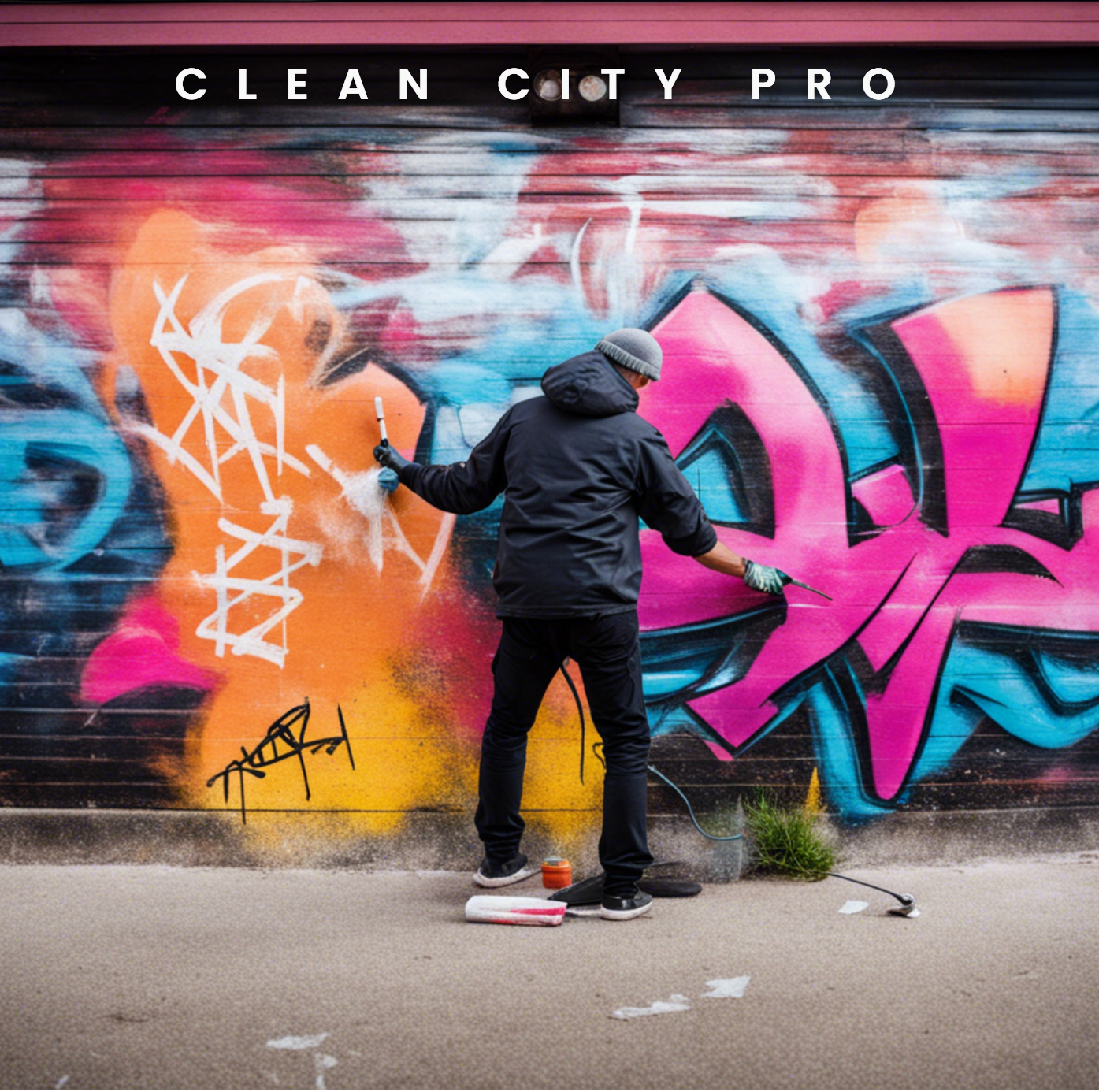
Graffiti can appear unexpectedly on residential buildings, commercial properties, fences, sidewalks, schools, and public structures. While some artistic murals are created with permission, unauthorized graffiti often becomes a maintenance concern because it affects cleanliness, appearance, and property value. Removing graffiti quickly is important since neglected markings may attract repeat vandalism and increase restoration challenges over time. Many property owners explore Graffiti Remover Kits as practical tools for managing unwanted paint, marker stains, and surface damage more effectively.
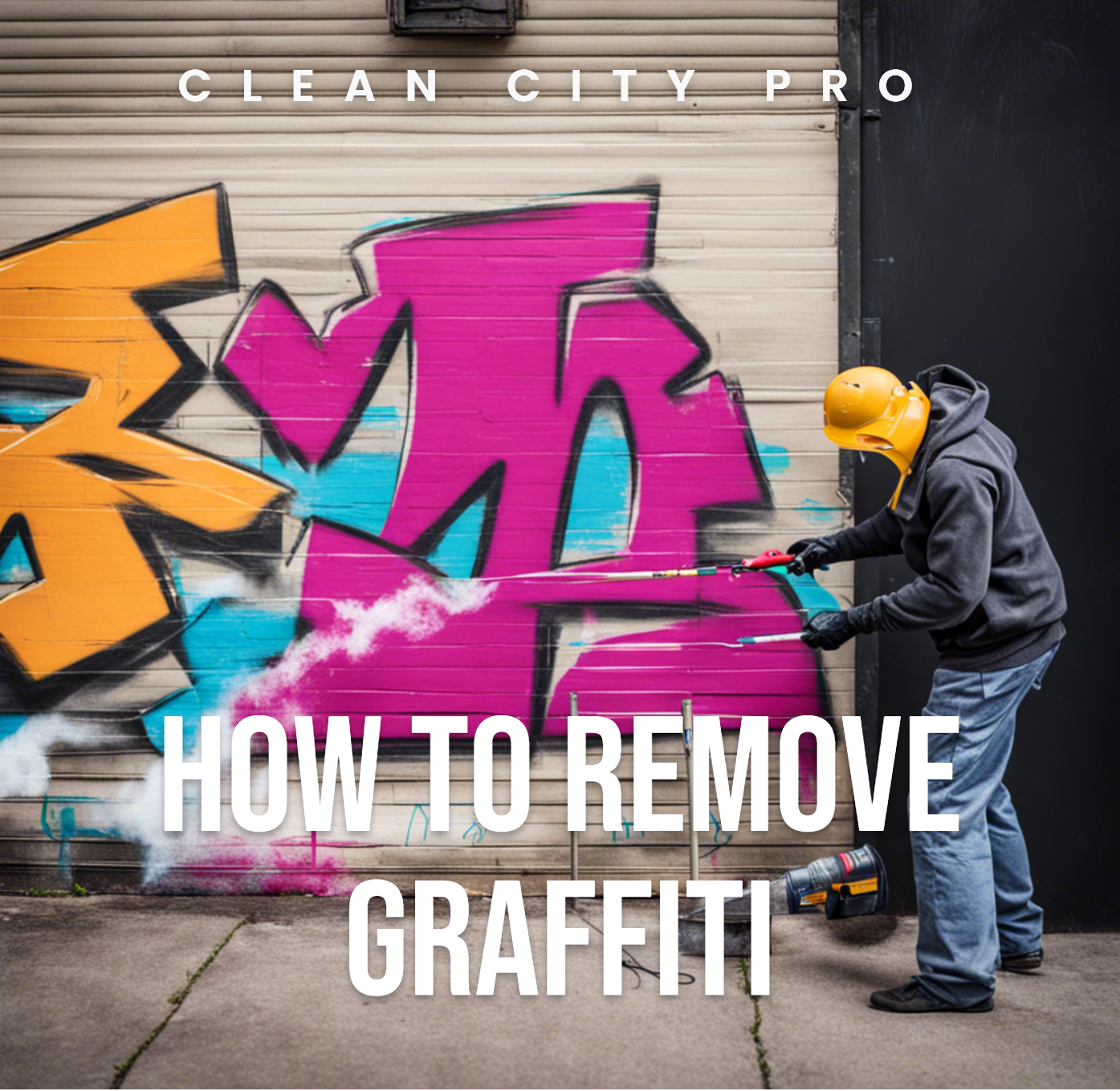
Graffiti removal requires more than simply scrubbing a surface. Different materials react differently to paint removers, pressure washing, and cleaning techniques. Choosing the proper method depends on the type of graffiti, surface material, and environmental conditions. A careful approach helps preserve surfaces while improving cleaning results.
Understanding Why Graffiti Needs Quick Removal
Rapid graffiti removal is often recommended because fresh markings are generally easier to clean. Spray paint and permanent marker stains become more difficult to remove after prolonged exposure to sunlight, moisture, and weather conditions.
Visible graffiti may also influence how people perceive a neighborhood or commercial property. Buildings covered in vandalism can appear neglected, which may encourage repeated incidents. For homeowners and businesses, prompt cleaning often helps maintain a cleaner, safer appearance.
Municipal organizations and maintenance teams frequently prioritize fast graffiti cleanup because studies have shown that immediate removal may discourage repeat vandalism. Surfaces that remain clean are often less attractive targets for additional tagging.
Regular inspections of walls, fences, signs, and vulnerable areas can help property owners respond quickly when graffiti appears. Early action generally reduces the amount of cleaning effort required.
Different Surface Types Require Different Methods
Before attempting graffiti removal, identifying the surface material is one of the most important steps. Cleaning methods that work well on one material may damage another.
Porous surfaces such as concrete, brick, and stone often absorb paint deeply. These materials usually require stronger cleaning products or repeated applications to remove staining completely. Because pigments settle inside small openings, graffiti may persist if not treated correctly.
Smooth materials like metal, glass, and polished plastic are generally easier to clean because paint remains closer to the surface. However, aggressive scrubbing or harsh tools may leave scratches or dull finishes.
Wood requires extra care because excessive moisture or strong chemicals may damage protective coatings or alter natural color. Painted surfaces also need cautious treatment to avoid removing both the graffiti and the original finish.
Understanding material sensitivity helps reduce accidental damage while improving cleaning effectiveness. Testing products in small hidden areas before full application is often recommended.

Common Components Found in Cleaning Kits
Many people turn to ready-made cleaning solutions for convenience and organization. Graffiti Remover Kits often include several tools designed to address different types of graffiti and surface conditions.
Protective gloves are commonly included because many cleaning agents contain strong ingredients that may irritate skin. Safety goggles and masks may also be recommended when working with chemical removers or pressure-based cleaning systems.
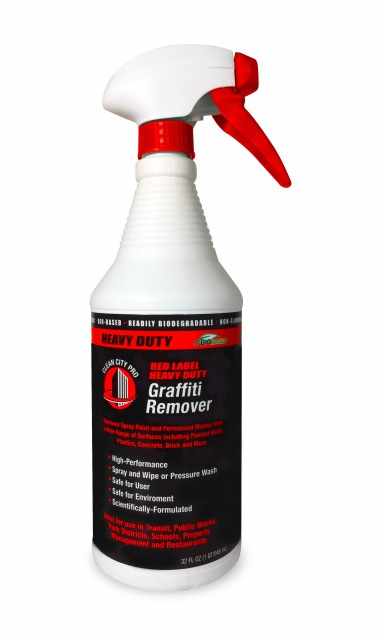
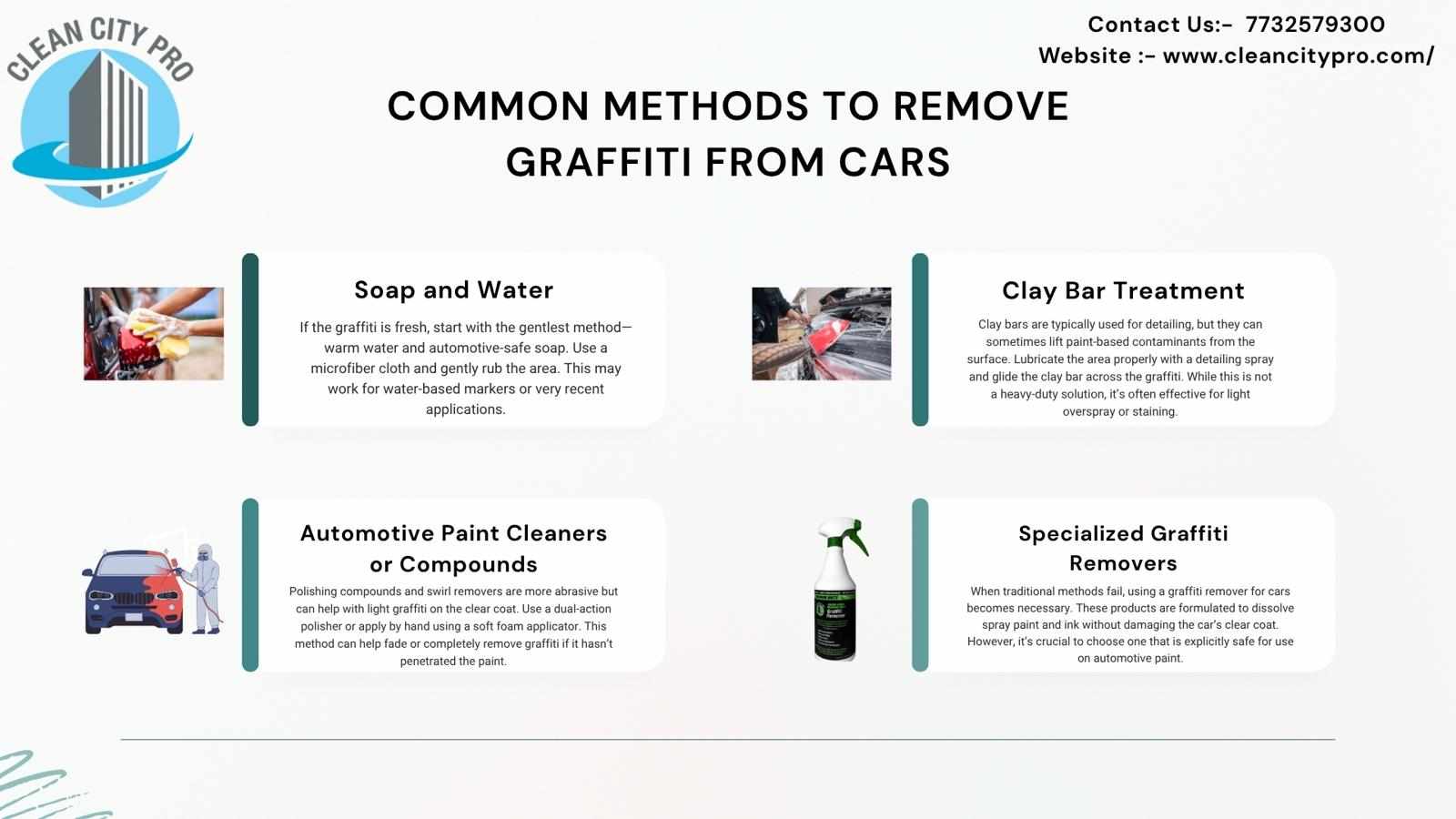
Cleaning brushes, non-abrasive scrubbing pads, microfiber cloths, and plastic scrapers are often used to lift paint without damaging the underlying material. Some kits also include specialized removers formulated for spray paint, markers, adhesives, or ink.
In certain situations, pressure washing attachments or spray bottles help improve coverage and cleaning efficiency. Instructions for surface compatibility and safe handling are typically provided to guide proper use.
The effectiveness of a cleaning setup depends largely on selecting tools appropriate for the specific surface and graffiti material involved.
Safe Cleaning Practices Protect Surfaces
Removing graffiti safely often requires patience and gradual treatment. Starting with the least aggressive method helps reduce the risk of permanent surface damage.
Light graffiti on smooth surfaces may sometimes be removed with gentle wiping and mild cleaning agents. More stubborn markings often require targeted chemical products that dissolve paint gradually.
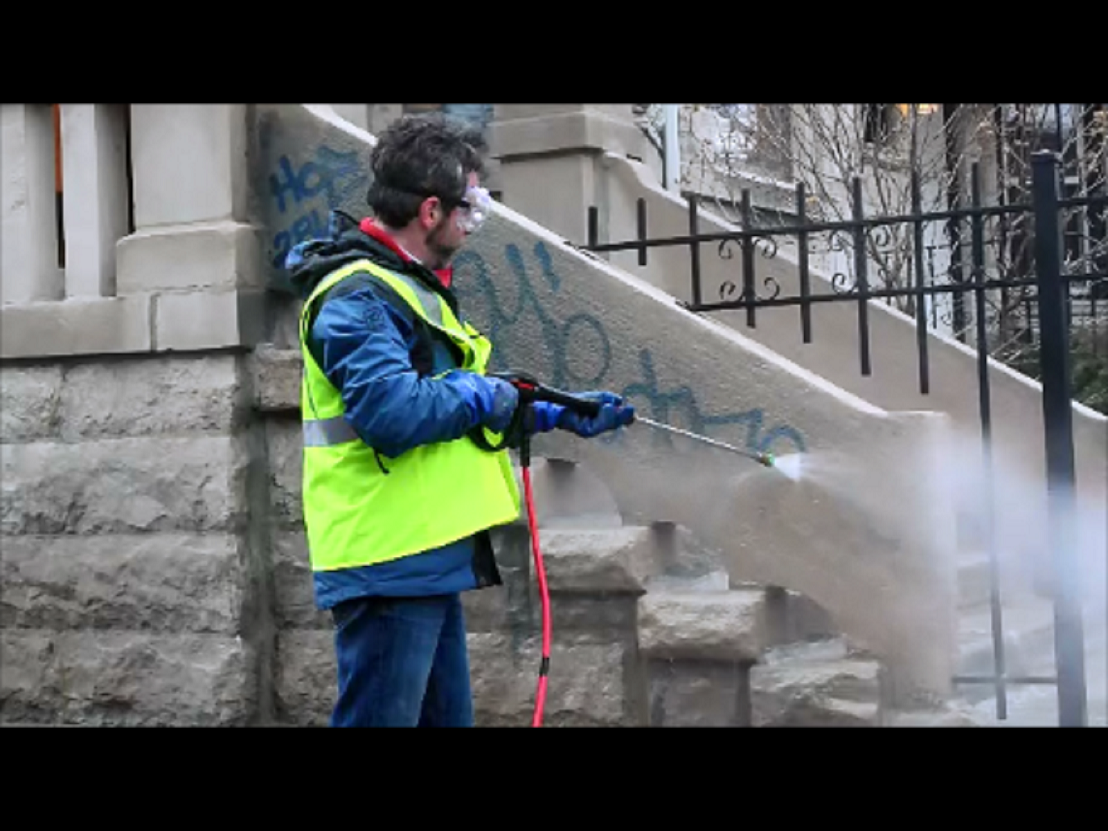
Pressure washing is frequently used for brick, sidewalks, and concrete walls. However, excessive pressure can erode surfaces or spread paint deeper into porous materials. Careful adjustment of water pressure is important for achieving balanced results.
When using chemical removers, protective equipment and proper ventilation are essential. Reading product labels carefully helps avoid unsafe combinations or misuse.
Repeated light cleaning attempts are often more effective than aggressive scrubbing. Rushing the process may lead to discoloration, scratches, or permanent damage that becomes more costly to repair.
Environmental Factors Affect Cleaning Success
Weather and surrounding environmental conditions can influence how effectively graffiti is removed. Temperature, humidity, and sunlight may impact how cleaning products react with paint or marker stains.
Dry weather generally supports more efficient cleaning because moisture can dilute some products or reduce their effectiveness. Rain may also spread pigments across surrounding areas, making cleanup more complicated.
Fresh graffiti tends to respond better to removal products because it has not yet fully bonded with the surface. Older paint exposed to prolonged weather conditions often requires multiple treatments.
Environmental responsibility has also become an important consideration during graffiti cleanup. Some traditional cleaning products contain harsh solvents that may affect nearby plants, drainage systems, or air quality.
Biodegradable alternatives are increasingly used because they reduce environmental impact while still helping remove many common graffiti materials. Responsible disposal and runoff management further support safer cleaning practices.

Preventive Measures Can Reduce Repeat Problems
While removal is important, prevention strategies often help reduce future maintenance costs and repeated vandalism.
Protective anti-graffiti coatings are commonly applied to surfaces frequently targeted by tagging. These coatings create barriers that make future cleaning easier by preventing paint from bonding deeply with materials.
Improved lighting may discourage vandalism in commercial and public areas. Bright, visible spaces tend to be targeted less frequently than isolated or poorly maintained locations.
Security cameras and routine property inspections may also help reduce incidents. Community involvement and neighborhood awareness programs sometimes contribute to cleaner environments as well.
Landscaping adjustments, fencing, or restricted access to vulnerable walls can further discourage unwanted graffiti activity. Preventive planning often reduces both cleanup frequency and overall maintenance expenses.
Many organizations combine prevention methods with Graffiti Remover Kits to create faster response systems when vandalism occurs.
Professional Help for Difficult Cases
Not all graffiti can be removed easily using standard cleaning methods. Large-scale vandalism, delicate surfaces, or repeated staining may require professional restoration services.
Experienced removal specialists understand how different materials react to cleaning products and advanced restoration equipment. Techniques such as heated pressure washing, media blasting, or steam cleaning may be used in severe situations.
Historic buildings and decorative architectural materials often require careful restoration to preserve original appearance. Improper cleaning methods may permanently alter textures, finishes, or structural integrity.
Commercial buildings, schools, municipalities, and transportation facilities frequently use professional maintenance teams to maintain consistent appearance standards and reduce downtime.
Property owners facing persistent or extensive graffiti problems may benefit from expert evaluation before attempting aggressive cleaning independently.
Maintaining Cleaner Properties Over Time
Routine maintenance helps preserve the appearance of residential and commercial spaces. Quick response to vandalism often prevents long-term staining while supporting a more welcoming environment.
Developing maintenance schedules, monitoring vulnerable areas, and using preventive coatings can significantly reduce recurring cleanup challenges. Consistent attention helps properties remain visually appealing and reduces restoration costs.
Understanding proper removal techniques also improves decision-making when graffiti appears unexpectedly. Using safe methods, selecting suitable tools, and protecting sensitive materials all contribute to more successful outcomes.
Property appearance plays an important role in community perception, customer experience, and overall property value. Keeping surfaces clean and well-maintained supports both visual appeal and long-term structural care.
Clean City Pro provides graffiti cleaning and surface maintenance support for residential, commercial, and public properties while focusing on responsible cleaning practices and effective surface care solutions.
#GraffitiRemoverKits, #GraffitiRemoval, #SurfaceCleaning, #PropertyMaintenance, #PressureWashing, #GraffitiCleanup, #BuildingMaintenance, #CleanSurfaces, #CleanCityPro


Write a comment ...